Creating a great performance in a video game is not a singular effort. It's not just up to the actor to deliver; it's a collaboration between them, the performance director, and the core game development team. And for all these pieces to work together, there needs to be trust.
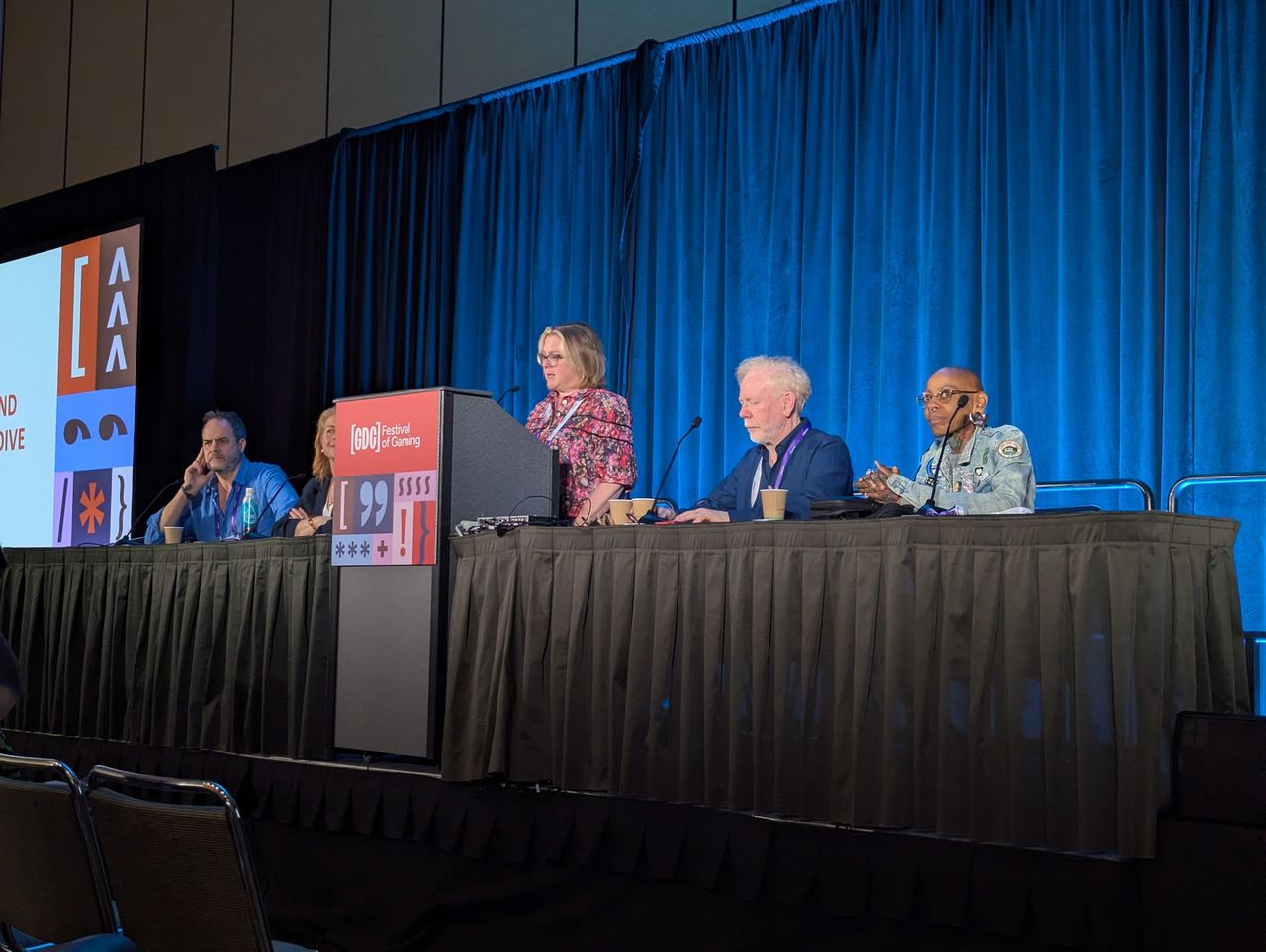
Video game actors Debra Wilson and Jane Perry, along with performance directors Tom Keegan and Damien Goodwin, constantly brought up the idea of trust in a deep dive panel at GDC Festival of Gaming 2026. Beyond just working together, actors and directors needed to cultivate a deeper connection and trust. Only then can you create a memorable performance.
"The most important thing is trust," Wilson said. "You want to be able to, instead of feeling like you're waiting to see whether you can trust the director, you have to already go into that space and trust the space. It is collaborative and at the same time, it's a service industry. We're here to serve the story."
Crafting a great performance is a collaboration
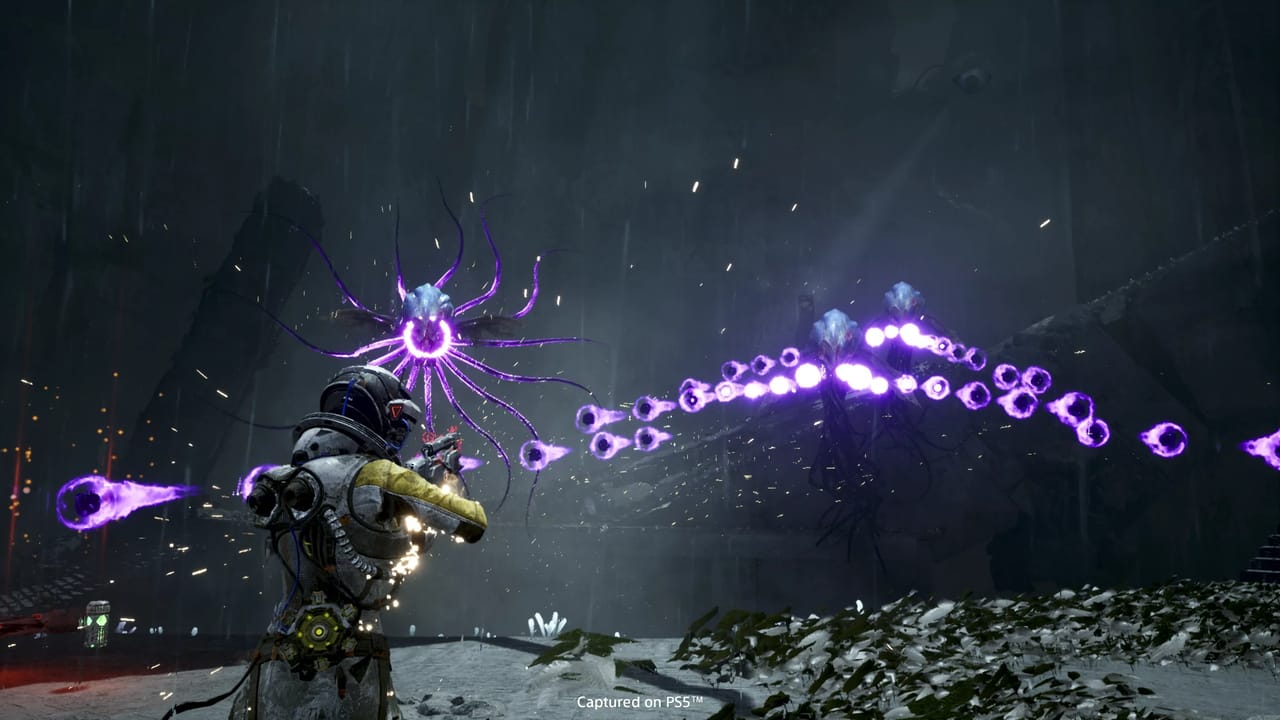
The panel, moderated by Soundcuts director Adele Cutting, focused on the relationship between the director and the performer. Wilson and Keegan worked together on Wolfenstein II: The New Colossus, while Perry and Goodwin collaborated on Returnal. In both instances, the emphasis wasn't on the technicalities of video game performance, such as blocking. Rather, it was about craft and how to bring out the performance the game creators need through trust with all parties.
Goodwin and Keegan explained that their first steps with a script are to mark it up and write down their impressions of the characters and their motivations. Both said the key is to figure out what the characters need in that moment, to figure out what Keegan calls the "spine" of the character. Wilson and Perry's processes are similar, where they try to break down the heart of the character and what emotions should be in each scene.
The collaboration between the actor and performance director comes during the often very limited rehearsal periods. This is when they start on blocking, but it's also when they start building trust. Part of that is aligning their interpretations of the scene with each other and with the development team. According to Goodwin and Keegan, the role of the performance director is to be the bridge between the developers and the actors, so that everybody has what they need. That might include conveying their own interpretations of a scene or letting the actors improvise a bit, and letting the developers know they have everything under control.
"Developers are very focused on gameplay and the details of the gameplay and also the plot and kind of leave out the relationships," Keegan said. "I feel like my job is to keep the relationships alive, keep the connections alive between the actors and the material and keep my eye on what the dev team needs and where we are with the story so that the dev team can watch knowing I'm understanding what it is they need and the actors can be free to do their work."
Even though the director is the key liaison between the performers and the developers, the actors still have the opportunity to weigh in on how best to portray the character. Wilson and Perry both alluded to times when certain lines didn't make any sense, for example, or jobs where they didn't have the time to have those in-depth discussions. Perry added that this means advocating for that time to work on improving the performance with the director.
"Because games are so awesome and they deserve the budget, the time, and the focus spent on these beautiful performances," she said.
A great performance comes when every party has trust in each other
Trust becomes especially important with emotional material. For her role as Selene in Returnal, Perry had to portray a woman dealing with a massive personal loss, a character she described as "painful" to inhabit. She also didn't get the script in until the day of voice recording, which was a challenge with Returnal's flowery and sometimes abstract dialogue. If that wasn't enough, Perry recorded her performance virtually due to the COVID-19 pandemic.
The process became an in-depth collaboration between Perry, Goodwin, and the developers so they can break down what mental state Selene was in at particular moments and how best to convey it. Perry also said that unlike with other video game projects she's worked on, the Housemarque team gave them the time to understand the narrative beats.
"This is one thing I really loved about this game developer. They really allowed us the time to understand and discover in the moment and find what is happening here," Perry said. "This is unusual sometimes, to have the luxury of time to figure things out."
"These are really difficult spaces to go with actors, and therefore you do have to allow the space," Goodwin said.
As you can see, all of these tips for creating a good performance all boil down to one thing: conversation. Making sure that line of communication is open among everybody and taking advantage of that is how to start building trust in the first place. The developers write the script, which goes to the actor for them to embody, who then goes to the director to finesse and answer questions. They can then go back to the developers with feedback.
"It's the collaboration that will make the difference. You could have a great recipe but the wrong spice can go down the wrong way," Wilson said.
Game Developer and GDC Festival of Gaming are sibling companies under Informa Festivals.