Games that have narrative content—on practically any level—can really benefit from the experienced eyes of an editor. Specifically, they can benefit from a human editor, not AI. That's just one piece of practical advice from the three micro-talks presented today at The Digital Red Pen: From Draft to Edit to Triage (part of the narrative summit at this year's GDC Festival of Gaming).
Iwot Games narrative director Diandra Anne Lasrado kicked off with a continuation/reaffirmation from a GDC 2014 topic: you need an editor, walking through the many, many benefits of having an editor on your project. Lasrado leveraged her experience at studios like Riot Games, BioWare, and Blizzard to extol the ways a good editor can save time, money, and headaches on larger productions. An editor can find issues with lines or other story details before they are reaching voice actors or other performers, and help writers say what they need and want to say.
She was also bullish about the place of AI in the drafting and editing process.
"Much like all creative endeavors, you cannot replace the touch of a human," she said. "Editing is [...] emotional consistency, and that cannot be trained in a machine. It's human context, which AI does not possess."
"While AI can be technically perfect, in most cases, it won't know when to keep in an "error" that will make a piece shine. Mistakes are beautiful, and also, it can often confuse context, [taking] similar lines and assuming they mean the same thing when they are drastically different."
"In all my editing jobs, I was looking at more than just the words. I was looking at the feel of the writing. I was also working with the writers, to support the ideas they came up with, and find ways to make those ideas work."
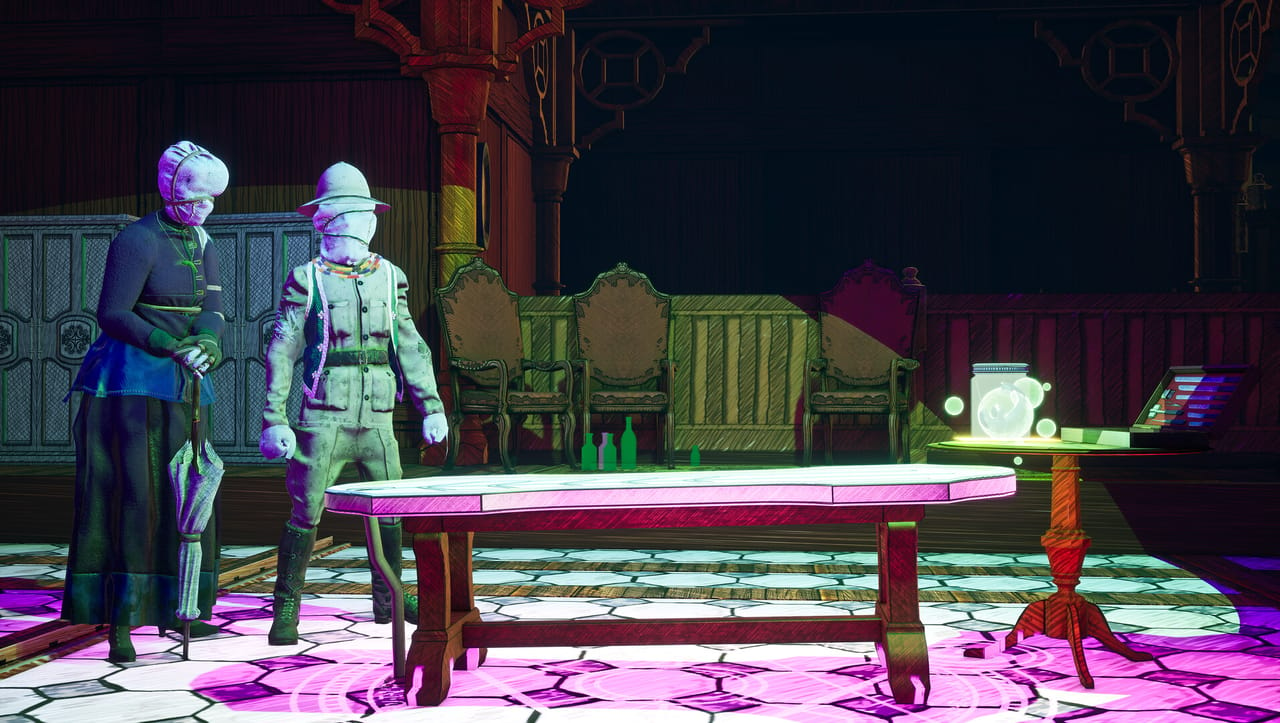
Ape Law LLC narrative editor Marissa Koors spoke more from the indie side of production, where writers, editors, narrative designers and developers from all manner of disciplines often wear many hats (and possibly all of the above at once). In one of her core examples, Koors looks at Alice's Lullaby, a horror title where she came on as editor after several years of development, including plenty of changes in design and narrative direction. The chaos left the story in a fractured state. A design document referenced characters and plot points wildly mismatched from the build she was provided.
"The design doc told me what the game used to be, the game itself told me what it was," she said, and conducted a "build autopsy." "I created a ghost content map, tagging things like 'exists in build,' 'referenced but missing,' 'needs first view knowledge,' or 'lore doc alone.' Suddenly, the creative director could see the narrative structure problems of the game at the same time as his more holistic birds-eye view of the story across installments."
"This is one of editing's most powerful tools: making invisible narrative dependencies visible to discuss what is and what we can realistically ship," said Koors.
This led to some thoughtful surgery on story content and the way it was presented to players. Her work led to a game that resonated with players, with positive reviews on steam and glowing praise especially for the narrative.
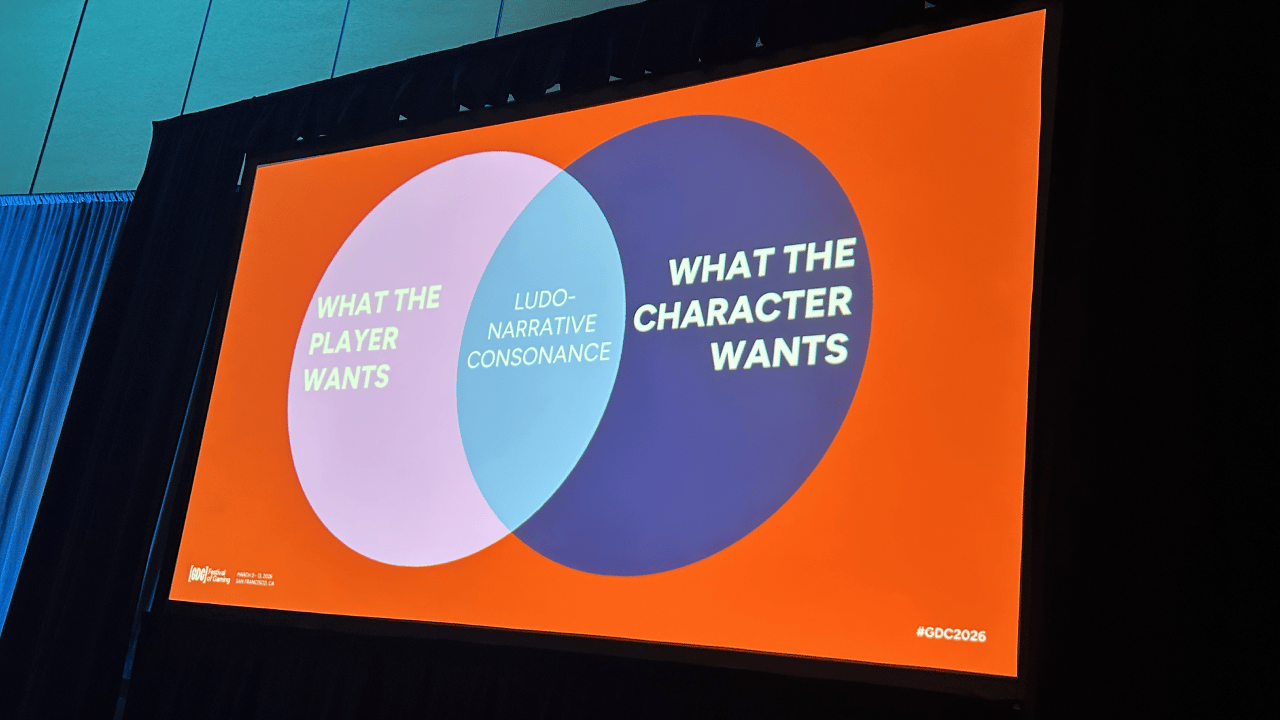
Subversive Interactive Narrative narrative director Joshua Rubin took the baton and offered tips and tricks from a "narrative fixer," quipping "I'm the guy who shows up at 11 PM with duct tape" for projects that are too late in development for any major new content, but need serious story fixes. Rubin offered four key pieces of advice for late-stage fixes, all with real-world examples drawn from experience, including cutting exposition while keeping emotion, aligning player and character motivations, injecting curiosity, and writing backwards (like a detective novel writer!). Overall, the goal is very much to make players care about why they are going from A to B.
"I am there to help the dev team say what they meant to say all along, but are too close to the project to see it," he said.
Rubin also noted that a story fixer's job can be inherently political, especially when coming into a messy situation on a fraught project. "Half the job is making sure no one feels blamed," he said. "Because writing games is incredibly hard. It's a balancing act of agency and story. It's amazing when any of us get it right!"
Game Developer and GDC Festival of Gaming are sibling companies under Informa Festivals.