
It's been a few weeks now since GDC, which has given me time enough to reflect on one of the most inspirational—and for me important—experiences of the show. I hadn't physically been to the event since 2023, and my, the years have not been kind.
Most folks that I personally know well in games have been struggling. For some, that struggle feels like it's been eternal, for others, the contraction of the last few years—the barrage of mass layoff after mass layoff, studio closure after studio closure—is newer, and portends poorly. Anecdotally, I know so many seasoned professionals—sometimes folks with decades of experience at the top of the field—turning to retail or dishwashing or other types of work to pay the bills between the dozens of job interviews that lead to nowhere. "Bleak" doesn't even begin to cover it.
Add the mix of political misery (at least, for those of us who aren't billionaires or white nationalists) and you have a potent brew of dread and depression wafting over so many of our heads in our day to day. To be honest, I was worried about the vibes going into the show. Not for any insidious reason, I was simply afraid of the weight of all this with my own near-pathological need to help when someone is suffering. What are you supposed to do when the creative field you love feels like it's sinking?
I count myself very lucky that I found pockets of survival and creativity and bonafide inspiration. I caught up with friends and colleagues, some of whom I hadn't seen for close to a decade. I went to talks on narrative and level design that had me practically jumping out of my seat, excited to talk to my own students about some of the ideas shared within.
I also went to a talk that lowkey reinforced my entire approach to making tiny games as a practice, and gave me a dose of hope that I'm still riding on, weeks later.
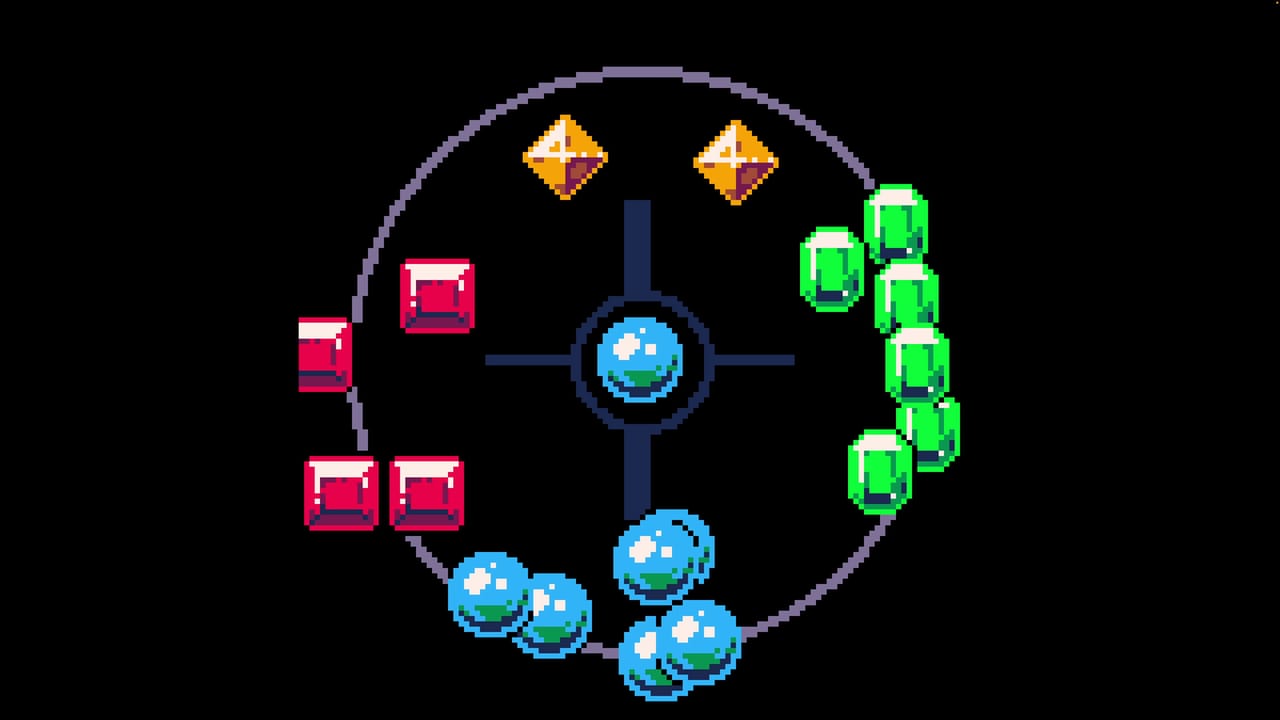
Finji's Adam Saltsman gave a talk based on a year of making tiny games, for a collection titled CorgiSpace. The word "CorgiSpace" is also the name of Saltsman's manifesto for creative practice. Saltsman walked through a bit of both in his talk, highlighting his learnings and overall philosophy as they evolved out of the games themselves. Core to it all is making short games with short, fun development cycles (these are games that have "short legs on purpose" hence the Corgi in the name), separating ideas from formulas, and working with the "grain" or intended "flow" of a given tool or process, to find gameplay and experiences that are "easy, but not obvious."
Finding the grain in every project
"I like to think of an idea as the hot, glowing heart—or motivation, or reason—you started making the game in the first place," Saltsman said, introducing the concept of separating ideas from rote formulas or patterns that tend to get in the way of another core tenet: to make decisions that are "easy, but not obvious."
"A formula is maybe like a prototype, or implementation, or design doc that you are hoping somehow captures or says something essential about your idea. It might be more accurate to say it's an imprint or an impression of that idea."
"In general, ideas, if you actually start working on them, are almost always good—and formulas are almost always bad." He noted, but qualified that it's more complicated than that in real life. He then walked through some practical examples (including the creation of Dust Bunny, a tiny game inspired by a eureka moment he had one day, while vacuuming the house), and spoke about the practice of "noticing" and just how important the simple act of discovery is for players and developers alike.
What really sold the talk for be, beyond the frameworks, beyond even the big ideas, was the core sense that this practice is rejuvenating for Saltsman, himself a busy person with a business and a family (and dogs to vacuum after!). "I've been using this approach to tuck these little games into the nooks and crannies of my schedule for over a year now, and instead of being exhausting or burdensome, it's been a relief. It gives more energy than it takes," said Saltsman.
I’ve been making tiny games myself for well over a decade (and teaching game design for nearly as long). It sounds very basic, I realize—here is a talk that affirms that hobbyist development is not only relevant, but it can be beautiful. It can be life-changing, even, in its embrace of small, joyful expression and in the rigor you apply to it. CorgiSpace isn't about making things that are easy just to do it, but to find ways that cut out bullshit to get to the good stuff. To, essentially, learn to make better games through listening, noticing, and applying curiosity to the process.
There are a few things going on here, for me. Because my own time is so limited, I have always stuck to tiny projects (except when working with others, but that’s another blog for another day!). I’ve always subscribed to Derek Yu’s advice about scoping small so you get in the habit of finishing games (no matter how teeny tiny that means they need to be). Saltsman is also very much espousing that here.
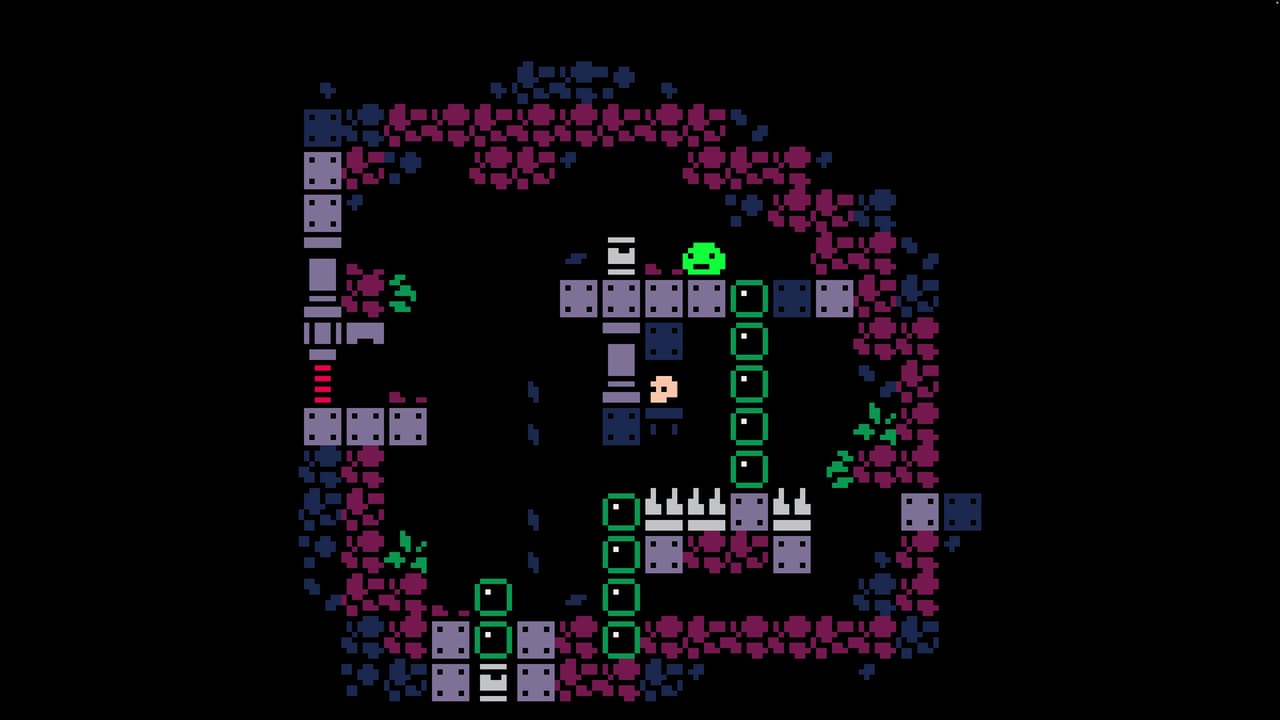
However, there’s the matter of skill, and a desire to make work that means something beyond just my own brain. I love the idea of sometimes making fun, playful garbage (in any creative pursuit!) but I also want to make things that are better than garbage. Even if the work is tiny, scoped appropriately for my workaholic schedule, I want it to mean something too.
That’s where some of these helpful frameworks come in for me. Easy but not obvious. Go with the grain. These are simple metaphors, yes, but I am a lifelong jock—simple, sometimes downright corny phrases work for me. I can't tell you how many long, grueling workouts or grappling matches I've gotten through on "this is a game of INCHES" and other athlete wisdom running laps through my mind. A manifesto about small games, backed up with real introspection and finished games to prove it out? The promise of a practice that gives energy, more than it drains energy? That all speaks to me.
So yes, as simple as it sounds, this talk made me happy to be a hobbyist. Excited, even, to try out new things and just embrace my little tiny nook where I can make art and build out tiny games.
These legs may be short, but for the first time in a long, long while, I feel like they may have some strength again.
Game Developer and GDC are sibling organizations under Informa Festivals.